- 93%
- of the land in Israel is managed by the Israel Land Authority
- 6%
- purchase tax on land
- 30
- days to report the deal to the Tax Authority
Types of land: ownership and designated use
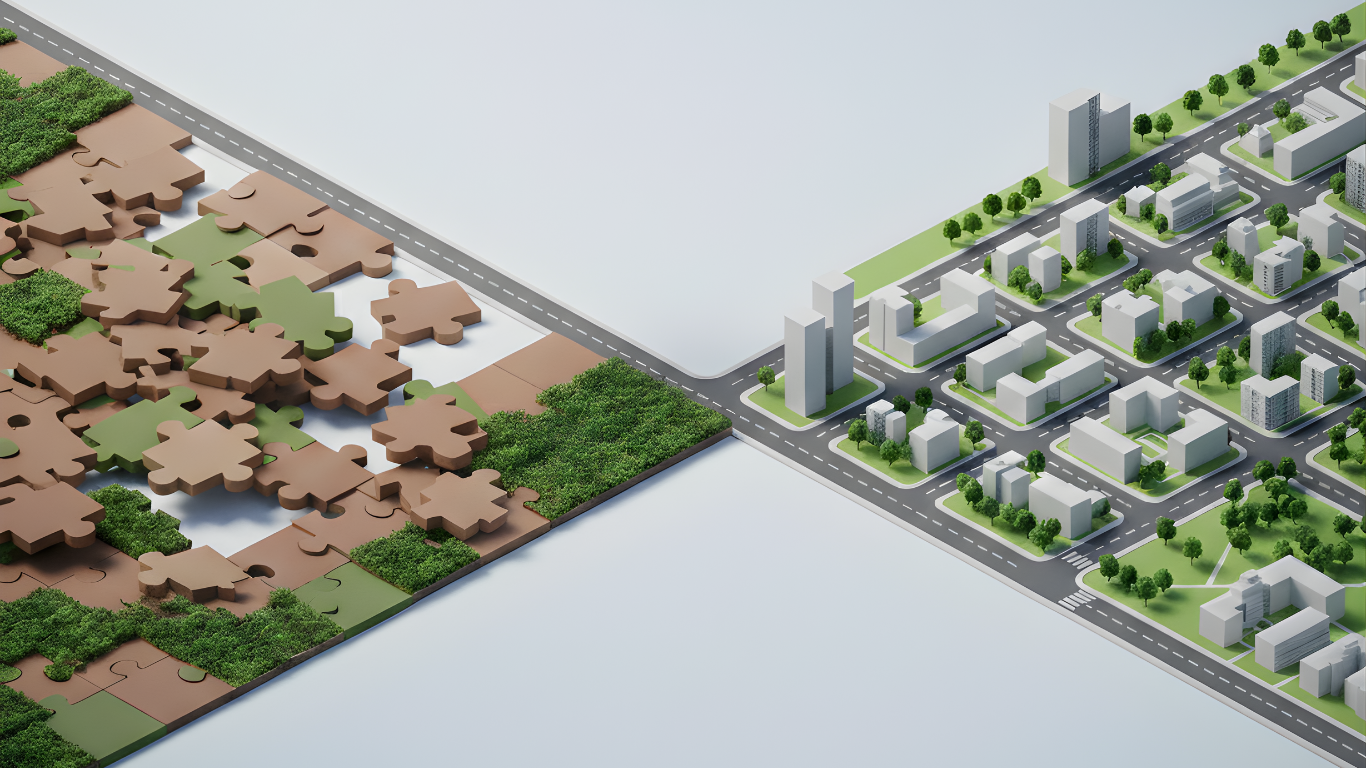
Every piece of land is defined by two separate questions: whose it is, and what may be done on it. The same land can be private and agricultural, or state-owned and available for building.
By ownership
- State land
- About 93% of the land in Israel is “Israel lands”, managed by the Israel Land Authority (ILA). The land is usually marketed through tenders, and the buyer generally receives a long-term lease.
- Private land
- About 7% of the land. It is bought directly from the owner, and ownership is registered in the Land Registry (the Tabu) in the buyer’s name.
By designated use
- Agricultural land
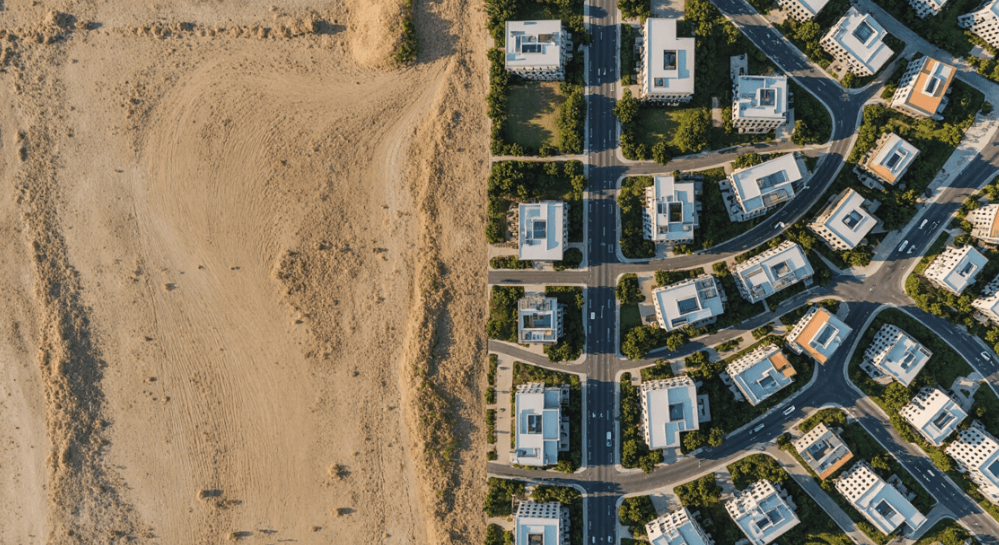
- Designated for agriculture, with no building rights for housing. The price is relatively low, and the profit depends on a change of use that can take years.
- Land in a planning process
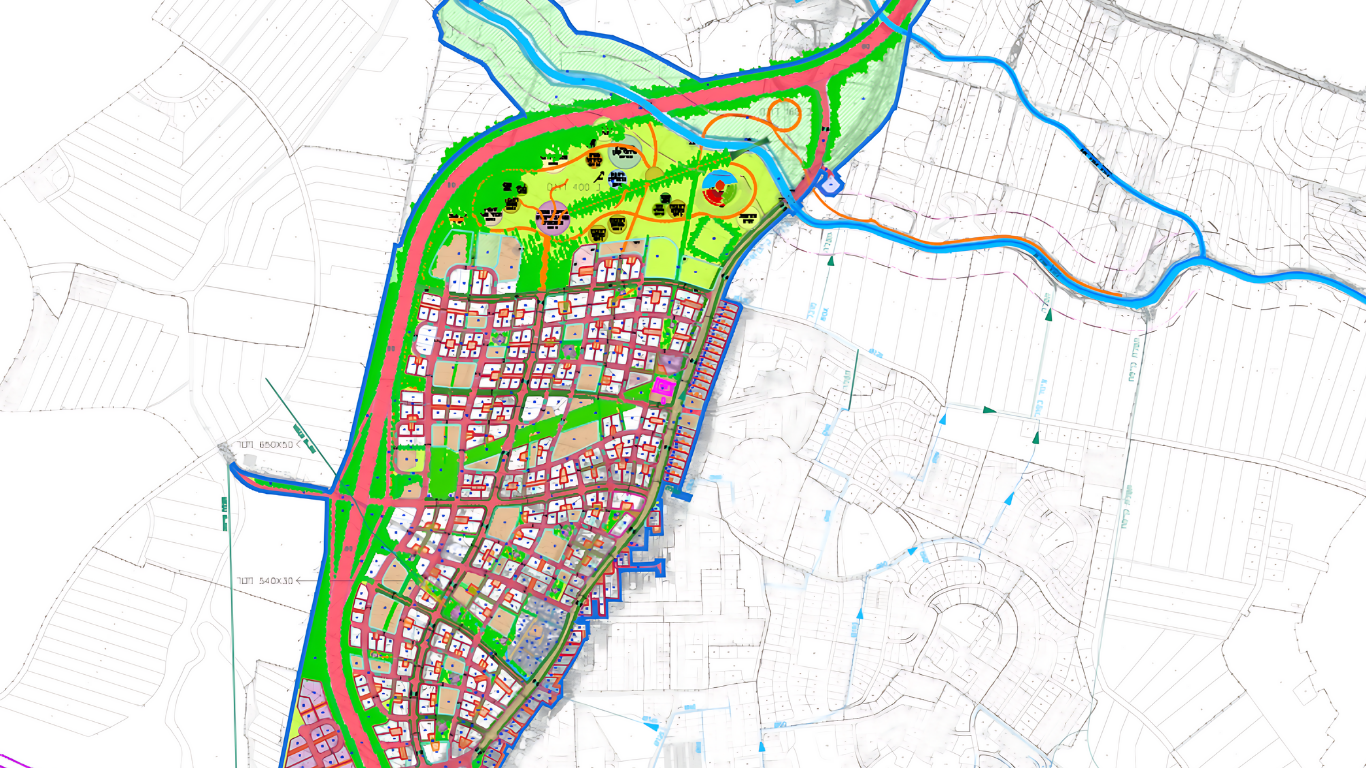
- A plan is in preparation, deposited or at objections. As the plan advances, the risk falls and the price rises. All the stages are in the article on land rezoning.
- Land available for building
- A detailed plan in effect applies to it, and a building permit can be requested. This is the most expensive land, and it also has the highest certainty.
What to check before you buy
Five checks, all of them made before signing.
RegistrationAn up-to-date Land Registry extract, or a confirmation of rights from the ILA: who the owner is, the size of the share being sold, and whether there are liens, attachments or caution notes.
PlanningWhat the plan in force is and what the designated use is, and whether a new plan is in process and at what stage. The status can be checked on the Planning Administration’s planning information site.
What exactly you are buyingA whole parcel or a share of one. Whoever buys a share of a parcel becomes a co-owner of the whole parcel (musha), with no marked area of their own, which is why the co-ownership agreement matters.
PriceA land appraisal and the prices of similar deals in the area. A price based on a planning stage not yet reached is a price of expectation.
Who the seller isWhat their experience is and what they undertake to do. Anyone marketing land that is not available for building must disclose this to the buyer, both in advertising and before the sale.
The stages of the deal, in order
- 01Define the goal and the time frame. How much money, for how many years, and at what level of risk.
- 02Find land. In ILA tenders, from private owners or through a marketing company.
- 03Check. Registration, planning, price and seller, with a lawyer and a land appraiser.
- 04Sign the agreement. On jointly owned land you also sign a co-ownership agreement.
- 05Report and pay the tax. A declaration to the Tax Authority within 30 days, and purchase tax within 60 days of the date of the deal.
- 06Register the rights. A caution note close to signing, and registration in the Land Registry after the tax clearances are received.
Taxes and payments
Calculate the taxes in advance, because they change the profit. The figures are correct as of November 2026.
| Payment | When | How much |
|---|---|---|
| Purchase tax | Within 60 days of the deal | 6% on land |
| Betterment levy | On a sale or on receiving a building permit | Half of the rise in value following the plan |
| Capital gains tax | On a sale | On the profit from the sale |
| Lawyer, appraiser and expenses | At the time of the deal | According to the agreement with them |
The risks you need to know
- Planning: a plan can be delayed, changed or not approved.
- Time: there is no target date. The money is invested for many years, with no regular income.
- Liquidity: it is harder to sell a share of an agricultural parcel than an apartment.
- Co-owners: on jointly owned land the decisions also depend on the other owners, and in reparcellation the plot you receive can be in a different place.
- Marketing: terms such as “right to an apartment” sound like a promise. How to check what stands behind them.
Undecided between land and an apartment? The full comparison is in Land or an apartment: which is the better investment?
What affects the price
The most important factor is the planning stage: land with a detailed plan in effect is worth much more than agricultural land with no planning. After that come the location and the demand in the area, the planned infrastructure, and the size of the compound.
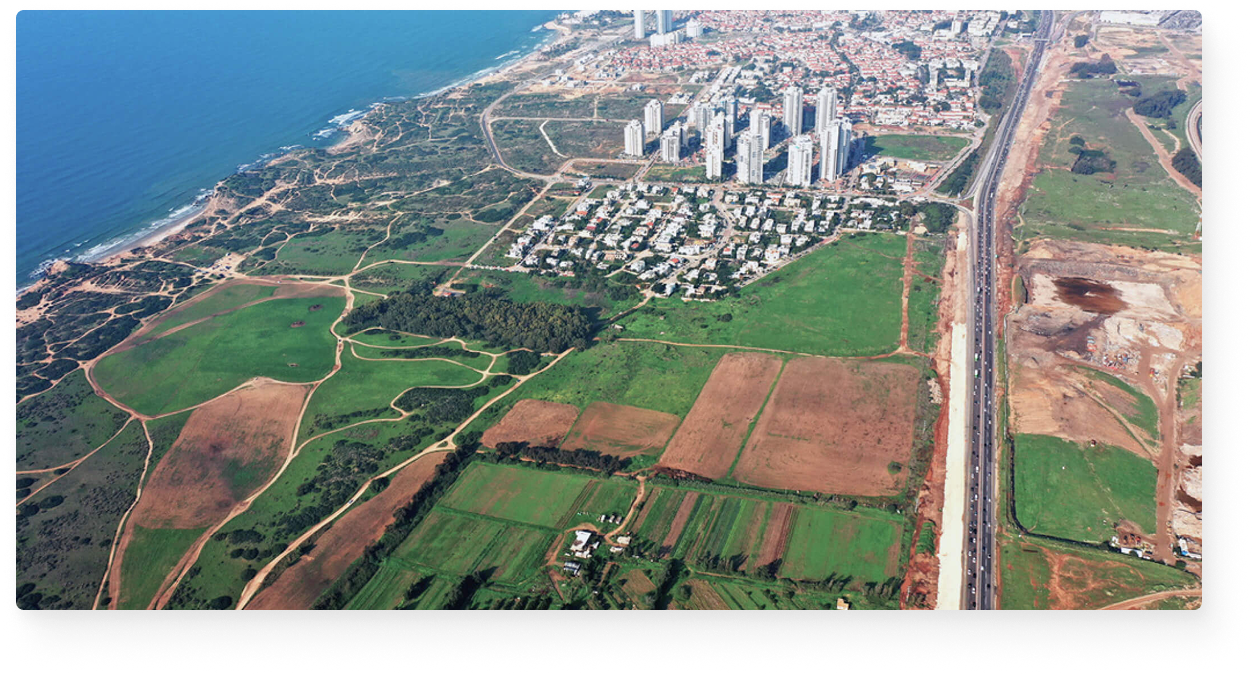
In the background there is also limited supply: a large part of the country’s area is nature reserves, national parks and firing zones, where building cannot be planned. More on this in Population density and real estate prices. An example of planning that advances over years is in Gedera 2015–2035.
Who helps along the way
- Real estate lawyer
- Checks the registration and the agreements, reports to the Tax Authority and registers the rights.
- Land appraiser
- Assesses the value of the land today, and what could affect it later.
- Investment adviser
- Checks whether the investment suits your goals, your time frame and your other assets.
Frequently asked questions
Can you build on agricultural land?
Not housing. To build apartments you need a detailed plan that changes the designated use and takes effect, and after it a building permit.
How much purchase tax is paid on land?
6% of the value of the deal, as of November 2026. The tax is paid within 60 days of the date of the deal.
What is the difference between private land and state land?
Private land is bought from the owner, and ownership is registered in the Land Registry. State land is managed by the ILA, is usually marketed through tenders, and generally comes with a long-term lease.
What is musha?
Joint ownership of a parcel. Each co-owner holds a proportional share of the whole parcel, and has no marked area of their own until the land is divided.
How long until you can build?
It depends on the planning stage. From agricultural land with no planning to a building permit usually takes many years. The details are in the article on land rezoning.
Summary
Buying land is a deal of checks: registration, planning, what you are buying, price and seller. Whoever checks these five things, calculates the taxes in advance and understands that the time is long, enters the deal with open eyes. The information in this guide is general and is not legal advice or investment advice.
Further reading and tools
Articles
- Land rezoning: the 7 stages
- VATMAL: the fast track for planning new neighbourhoods
- Compounds 2, 7, 8 and 9 in Gedera
Pages
Sources
- 01State Comptroller: about 93% of the country’s area is Israel lands, managed by the ILA (Hebrew)
- 02Calcalist: how much of the country’s area is left for planning (Hebrew)
- 03Israel Tax Authority: declaration on the sale and purchase of real estate, Form 7000 (Hebrew)
- 04Kol-Zchut: paying purchase tax (Hebrew)
- 05Nadlan Center: purchase tax brackets 2026, including land (Hebrew)
- 06Kol-Zchut: calculating the betterment levy (Hebrew)
- 07Land Law, 5729-1969, section 27 (joint ownership)
- 08Consumer Protection Regulations (duty to disclose details in the sale of land not available for building), 5777-2016 (Hebrew)