.svg)
.png)

What is the consolidation and division process?
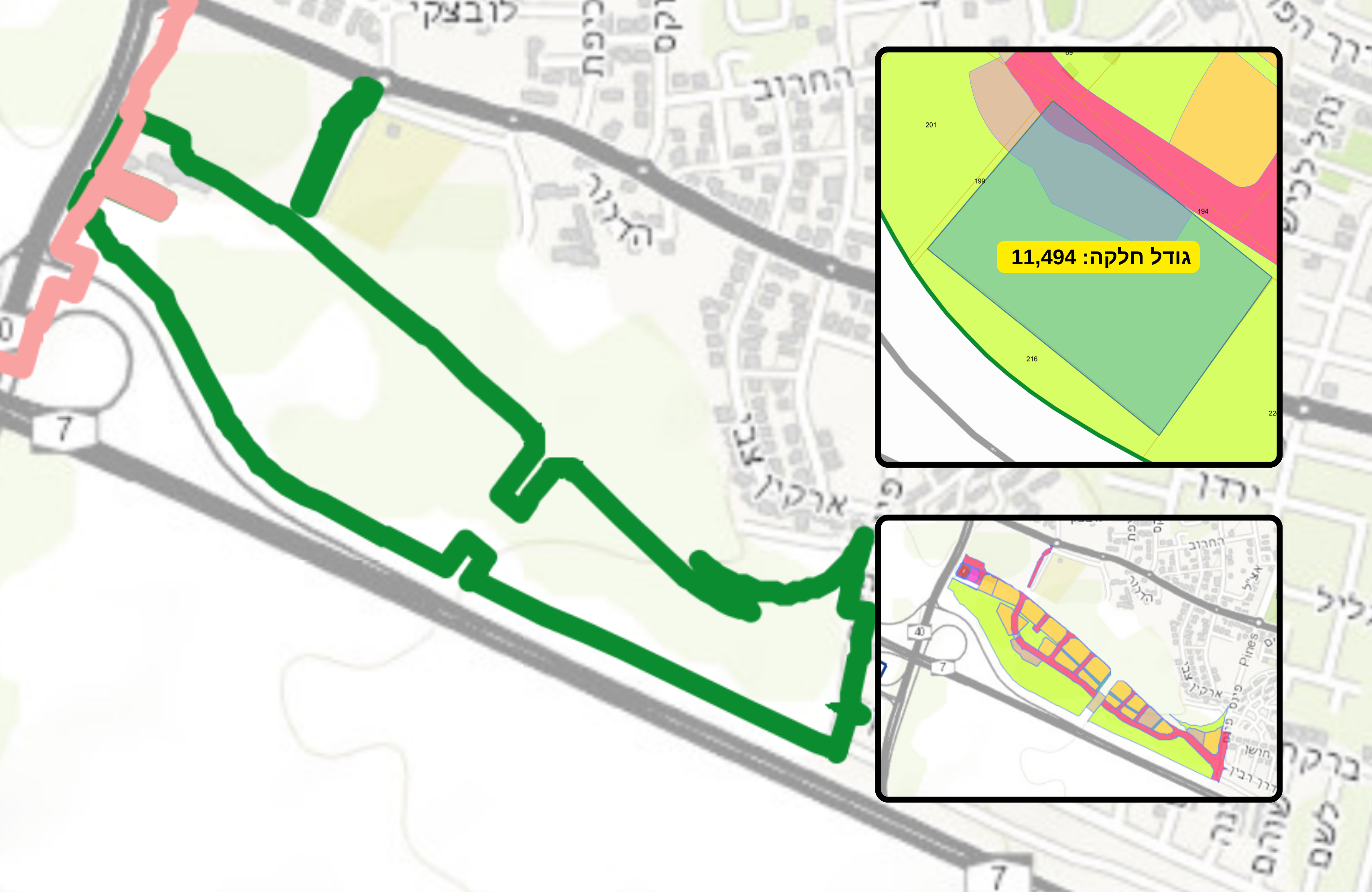
This is a planning tool that allows the authority to re-plan a land complex without the need for direct financial expropriation. The process eliminates the old plot boundaries and re-divides the complex into modern building lots alongside public spaces (parks, roads, and institutions).
The principle of relativity
According to Section 122 of the law, your relative value in the outgoing state must be maintained in relation to the incoming state. The plan appraiser determines the percentage of your value out of the total complex, and this percentage is translated into new building rights.
Balance payments
In cases where building rights cannot be allocated exactly according to the percentage due to the owner, financial balancing payments are used to make up the difference and ensure distributive justice.
The Main Steps of the Procedure
Allocation and balancing tables
An appraiser's document detailing the value of each landowner and the rights that will be assigned to them in the new lots.
Deposit of the plan and objections
The stage where an appraiser's objection can be filed if the landowner believes that his valuation has been overstated.
Approval and registration
Validating the plan and registering the new plots in the land registry in the owner's name.
Emphasis on the type of consideration
It is important to emphasize: the consideration in consolidation and division is not cash, but tradable building rights (for example: rights to build a certain number of apartments or commercial space). The landowner receives a new real estate asset whose value reflects his proportional share in the plan.