- 30
- working days for a decision on a change of use for business purposes, under Section 145E
- 50%
- the betterment levy rate on the increase in value
- 2017
- the year the change of use for business purposes track was added
What is non-conforming use?
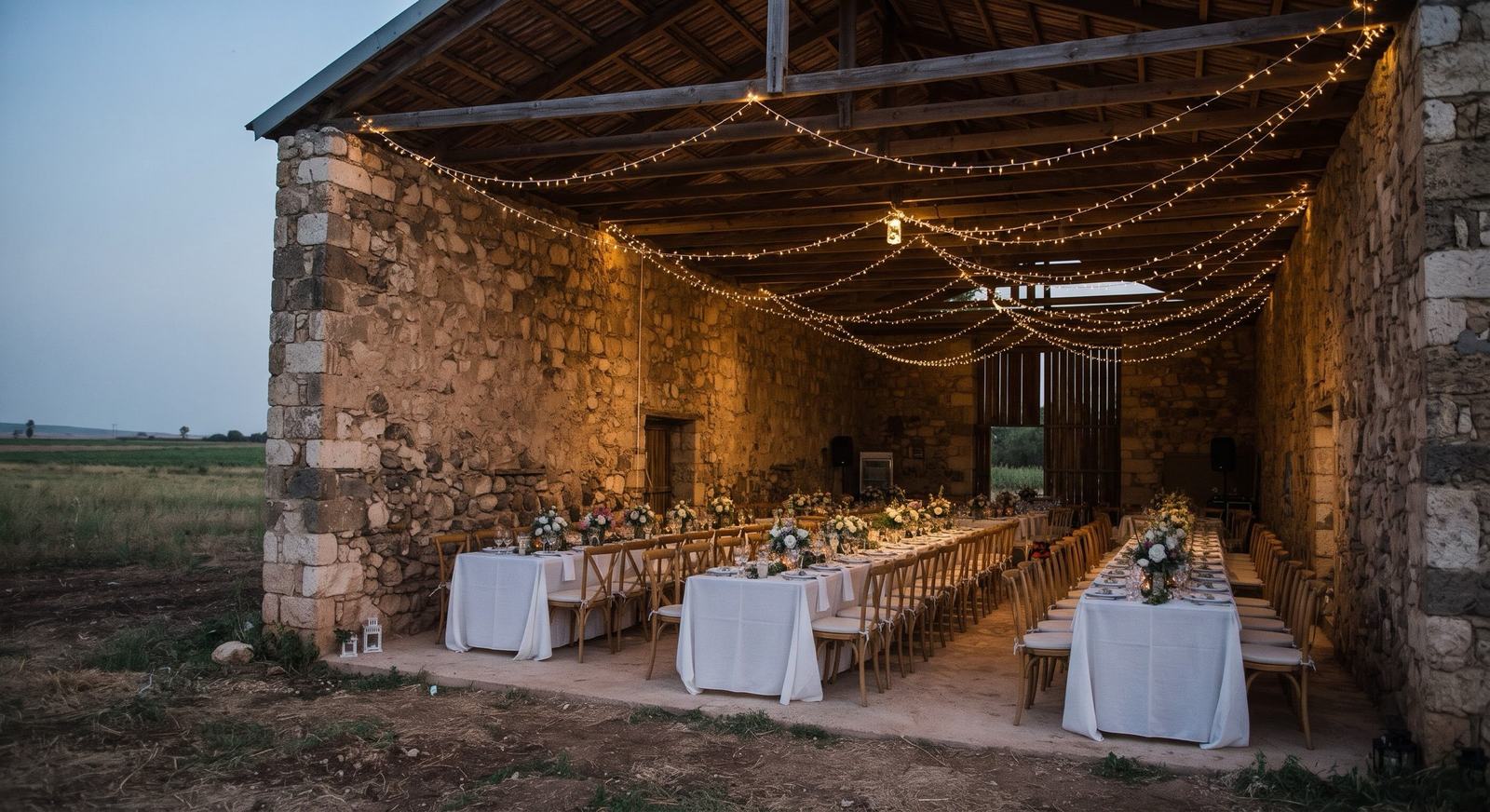
Under the Planning and Building Law, the local committee may permit a use that deviates from the plan or from the permit, for a period set in advance. Examples: an agricultural storehouse used as an event hall, an apartment used as an office, an open area used as a parking lot. The permit is temporary, and at the end of the period it must be renewed or the use stopped.
Non-conforming use is not a change of land designation. It does not add building rights for the long term, and it does not replace a plan. Anyone who buys land because of a non-conforming use that exists on it is buying temporary income, not the value of residential land.
What it costs: the betterment levy
The Third Schedule to the law defines betterment as an increase in the value of real estate due to the approval of a plan, the granting of a variance (hakala) or the permitting of a non-conforming use. In other words, a permit for non-conforming use is an event at which the committee collects a betterment levy, at a rate of half the increase in value. This is what makes a short-term non-conforming use expensive: you pay for betterment, but the permit is limited in time.
Change of use for business purposes: non-conforming use is not always needed
Since 2017, Section 145E of the Planning and Building Law has set a separate track: when the use a business is asking for is allowed under the plan but not under the building permit, the local licensing authority can approve a change of the use set in the permit, without a non-conforming use procedure. The decision must be made within 30 working days. If it has not been made, this is regarded as a refusal, and an appeal can be filed within 15 days. The approval is usually not limited in time.
The track does not apply to an industrial manufacturing plant, nor when the use harms the environment, public health or safety. And it changes nothing regarding the designation of agricultural land.
Agricultural land from the ILA: an additional layer
Anyone who leases agricultural land from the ILA is also subject to the Agricultural Settlement Law of 1967. The law sets that the lessee must cultivate the land themselves and not hand it over for use by others. A farmer who wants to transfer the cultivation rights to someone else needs to obtain a permit for non-conforming use of agricultural land, through a dedicated service on the gov.il website. This is a separate permit from the local committee's permit.
Cultivation by someone elseRenting out an area to another farmer without a permit is a breach of the Agricultural Settlement Law.
An agricultural building for another useA poultry house that has become a logistics warehouse or a hall needs a permit for non-conforming use from the local committee, and on ILA land also the ILA's consent.
EnforcementThe chairperson or the engineer of the local committee can issue an order to stop a use carried out contrary to the plan or the building permit.
What this means for an investor
If the land you are checking has a use that does not match the designation, ask three questions: does it have a permit, until when, and was a levy paid. A use without a permit can turn into a debt, a fine or an order. A use with a temporary permit is temporary income, and not a reason to pay the price of land for construction.
Checklist: checking non-conforming use before buying
- 01What is the designation in the plan? Compare it with the actual use on the ground.
- 02Is there a permit for non-conforming use? Ask the local committee for the permit and check its validity.
- 03Has the betterment levy been paid? Ask the committee for a confirmation.
- 04Is the land leased from the ILA? Check whether there is ILA consent and whether a permit is required under the Agricultural Settlement Law.
- 05Are there enforcement proceedings? Ask the committee about orders, financial sanctions or open files.
FAQ
Can a non-conforming use become a permanent designation?
Not by itself. To change a designation you need a plan. A prolonged non-conforming use can sometimes support a request for a plan, but it does not replace one.
Do you have to pay a betterment levy on a non-conforming use?
Usually yes. The Third Schedule to the law lists the permitting of a non-conforming use as one of the events that create liability for the levy.
Is it permitted to rent out agricultural land leased from the ILA?
Transferring the cultivation to someone else requires a permit for non-conforming use of agricultural land under the Agricultural Settlement Law. Without a permit it is a breach.
Summary
Non-conforming use is a temporary permit that costs a betterment levy and does not change the land's designation. A business whose use is allowed in the plan has the track of a change of use for business purposes, but it does not apply to the designation of agricultural land. On ILA land there is also the Agricultural Settlement Law. The information in this article is general and is not legal advice.
Further reading and tools on the site
Articles
- Betterment levy
- Private land or ILA land
- Planning institutions
- Change of land designation: the 7 stages
Tools and pages
Sources
- 01Planning Administration: change of use for business purposes, Section 145E of the Planning and Building Law (PDF)
- 02Knesset: Planning and Building Law (Amendment No. 18), the Third Schedule and the definition of betterment (PDF)
- 03State Comptroller: collection of betterment levies and their use (2024, PDF)
- 04gov.il: application for a permit for non-conforming use of agricultural land
- 05Ministry of the Interior: planning and building under Amendment 34 to the Business Licensing Law, order to stop a prohibited use (PDF)
- 06Tel Aviv-Yafo Municipality: betterment levy