- 3
- appraisal approaches
- 3
- comparison transactions, at minimum
- 1.9.2026
- Standard 3.1 took effect
Value is not price
Price is what was paid in a specific transaction, between a specific seller and a specific buyer. It is affected by pressure, financing and negotiation. Value is an estimate of what a willing buyer would pay a willing seller, when both know the property and neither is obliged to close. An appraiser determines value. The market determines price.
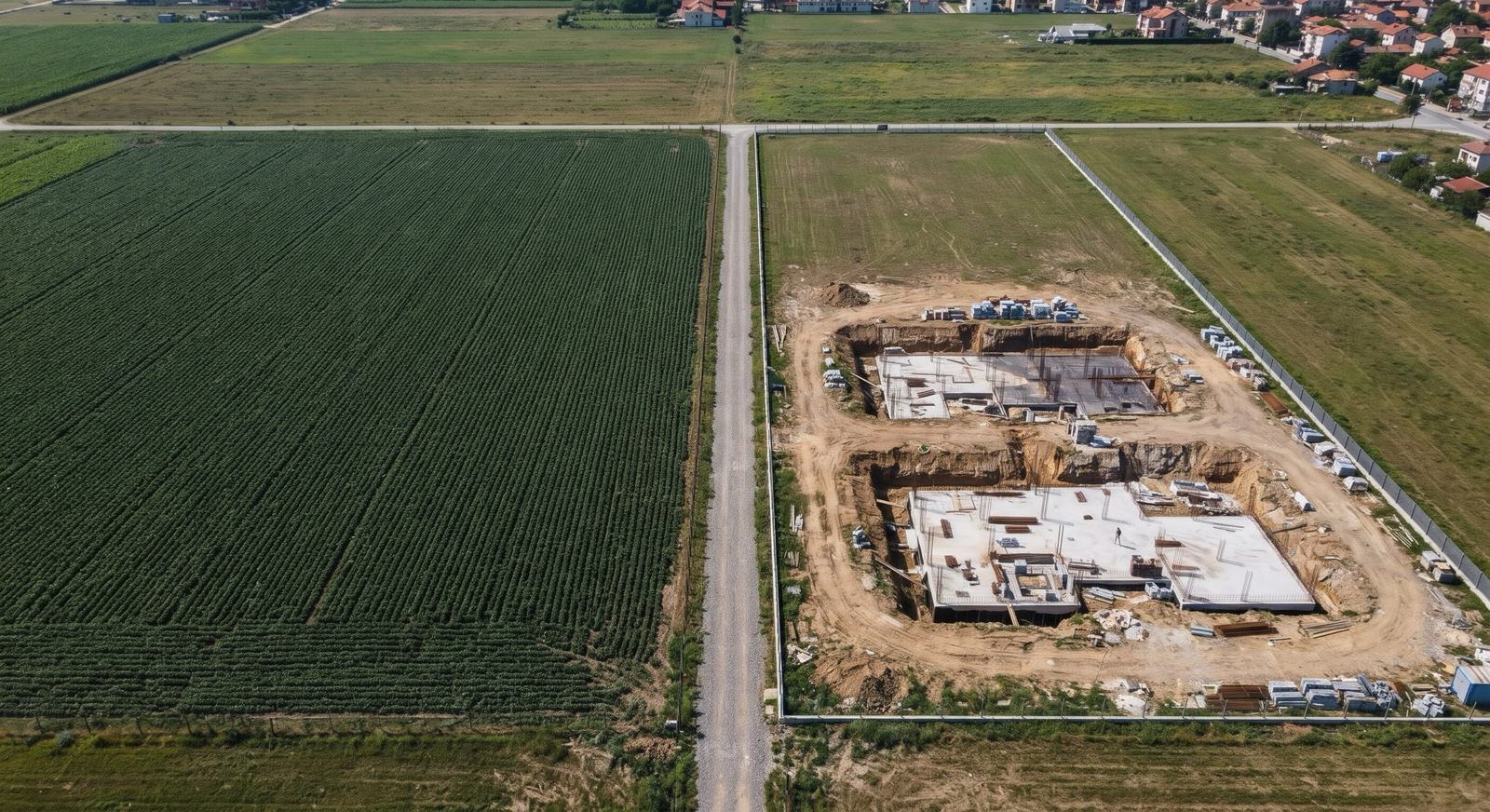
In agricultural land the gap between the two can be large, because part of the price is expectation. That is why a seller of land that is not available for construction must provide an appraisal under Standard 22: Standard 22.
The three approaches
- The comparison approach
- The appraiser finds transactions in similar land, close to the appraisal date, and adjusts them to the property: location, size, planning stage and type of right. This is the preferred approach.
- The cost approach, or residual calculation
- Start from the value of the built project, deduct construction costs, developer's profit, purchase tax and expenses, and what remains is the value of the land. Useful when there are not enough transactions.
- The income capitalization approach
- Future income is translated into today's value. For land it is used mainly to value the future building in the residual calculation, and for unplanned land to discount a future value after a change of land designation.
What Standard 3.1 changed
The Real Estate Appraisers Council approved Standard 3.1 on April 28, 2026, and it applies from September 1, 2026 in place of Standard 3.0 from 2009. It applies to land for housing, employment and commerce, and also to agricultural and unplanned land.
Comparison firstAt least three relevant transactions. A sale price is preferable to an asking price and to previous appraisals, and the total adjustments in a transaction should not exceed about 35%.
Residual calculation with a reservationWhen the land value is less than 20% of the built value, a residual calculation is considered to have low reliability, because a small error in the costs changes the land value a great deal.
Agricultural landFirst compare with other agricultural land. When a plan is on the way, it is permitted to discount the future value net of expenses, and the weight of the result rises as the planning advances.
A reasoned deviationAn appraiser may deviate from the standard, but must write what was changed and why.
Highest and best use
An appraiser values a property according to the use that would give the highest value, provided it is permitted by the planning, physically possible and economically worthwhile. For example, under Standard 3.1, a building whose highest and best use is demolition is valued as vacant land, and sometimes its interim income is added. In agricultural land, the highest and best use today is agriculture, and a change of land designation enters the appraisal only as an expectation, according to its probability.
Checklist: reading a land appraisal
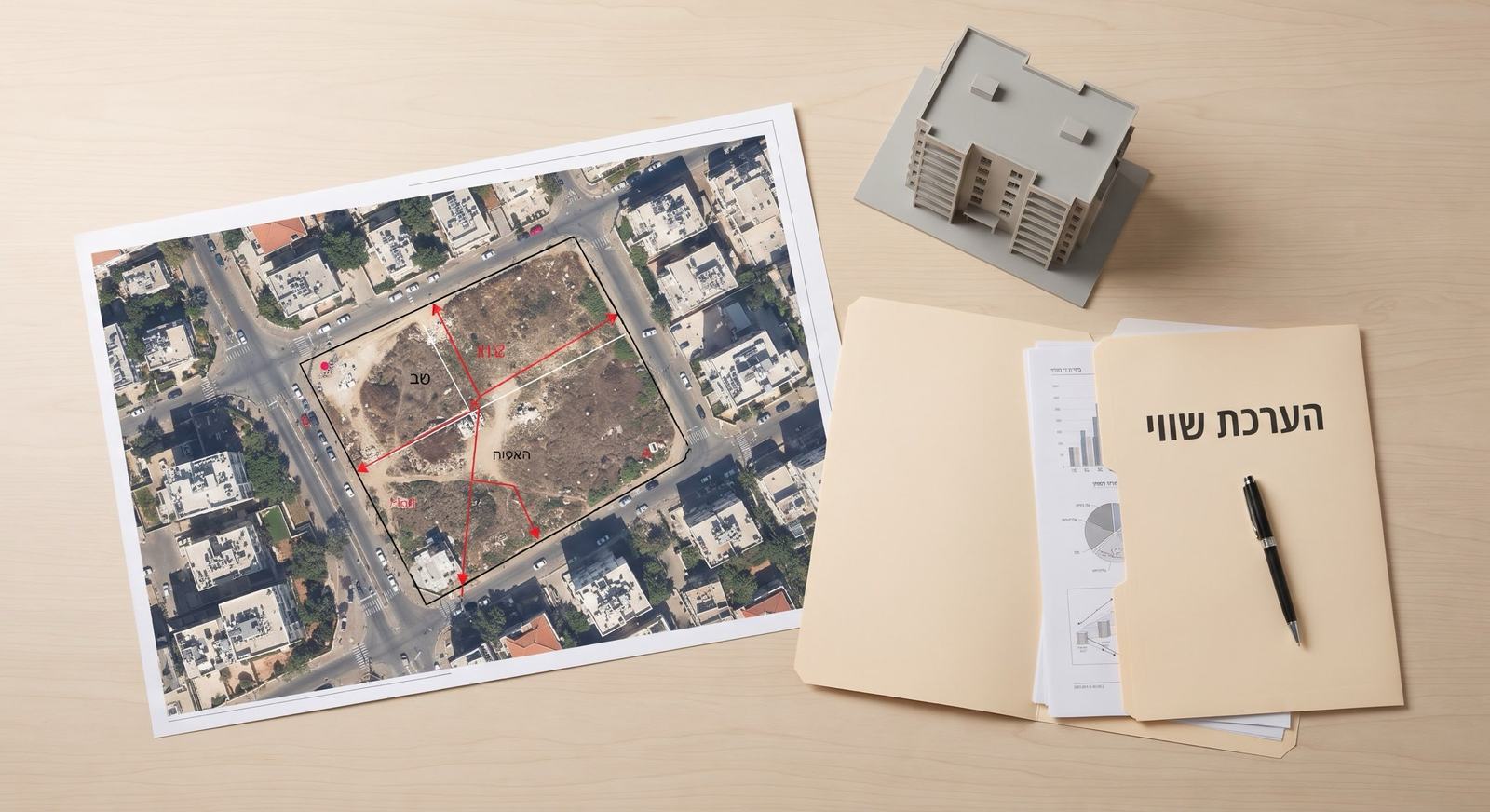
- 01Why was the appraisal prepared, and as of what date? An appraisal for a sale, for a mortgage or for a levy measures different things.
- 02Which approach was chosen? If not comparison, the appraiser has to explain why.
- 03Which transactions? How many, when, at what distance, and how many adjustments were made to each.
- 04What is the planning status? Does the appraisal list the plans that apply and those in preparation? Check against the source.
- 05What are the assumptions? Time to approval, allocations, levies and the discount rate. That is where most of the gap between appraisals hides.
FAQ
Why do two appraisers arrive at different numbers?
Because they choose different transactions, adjust them differently, or assume different time frames and discount rates. That is why you read the assumptions, not only the bottom line.
What do you do when you disagree with the local committee's appraisal?
For a betterment levy you can request a deciding appraiser or file an appeal. Details: Betterment levy.
Is the seller's appraisal enough?
It is a good starting point. In a large transaction it is customary to hire an appraiser of your own, who will check the same assumptions.
Summary
An appraisal is an opinion on value that rests on transactions and assumptions. From September 2026, Standard 3.1 sets that comparison comes first, and requires every deviation to be reasoned. Anyone reading an appraisal focuses on the transactions and the assumptions, not only on the number. The information in this article is general and is not an appraisal or advice.
Further reading and tools on the site
Articles
Tools and pages
Sources