- 3
- years to file the claim
- Extension
- the Minister of the Interior may extend for special reasons
- 197
- section of the Planning and Building Law
Who is entitled to compensation
Under Section 197(a), when a plan harms real estate other than by way of expropriation, whoever was the owner of the real estate or the holder of a right in it on the day the plan commenced is entitled to compensation from the local committee. The real estate must be within the plan's area or border it. The harm is measured as the difference between the value on the eve of the plan's approval and the value after it. The claimant must attach documents proving their right in the real estate on the determining date.
Change to a public designationResidential land that changes to a road, public open space (SHATZAP) or a public building. This is the classic case.
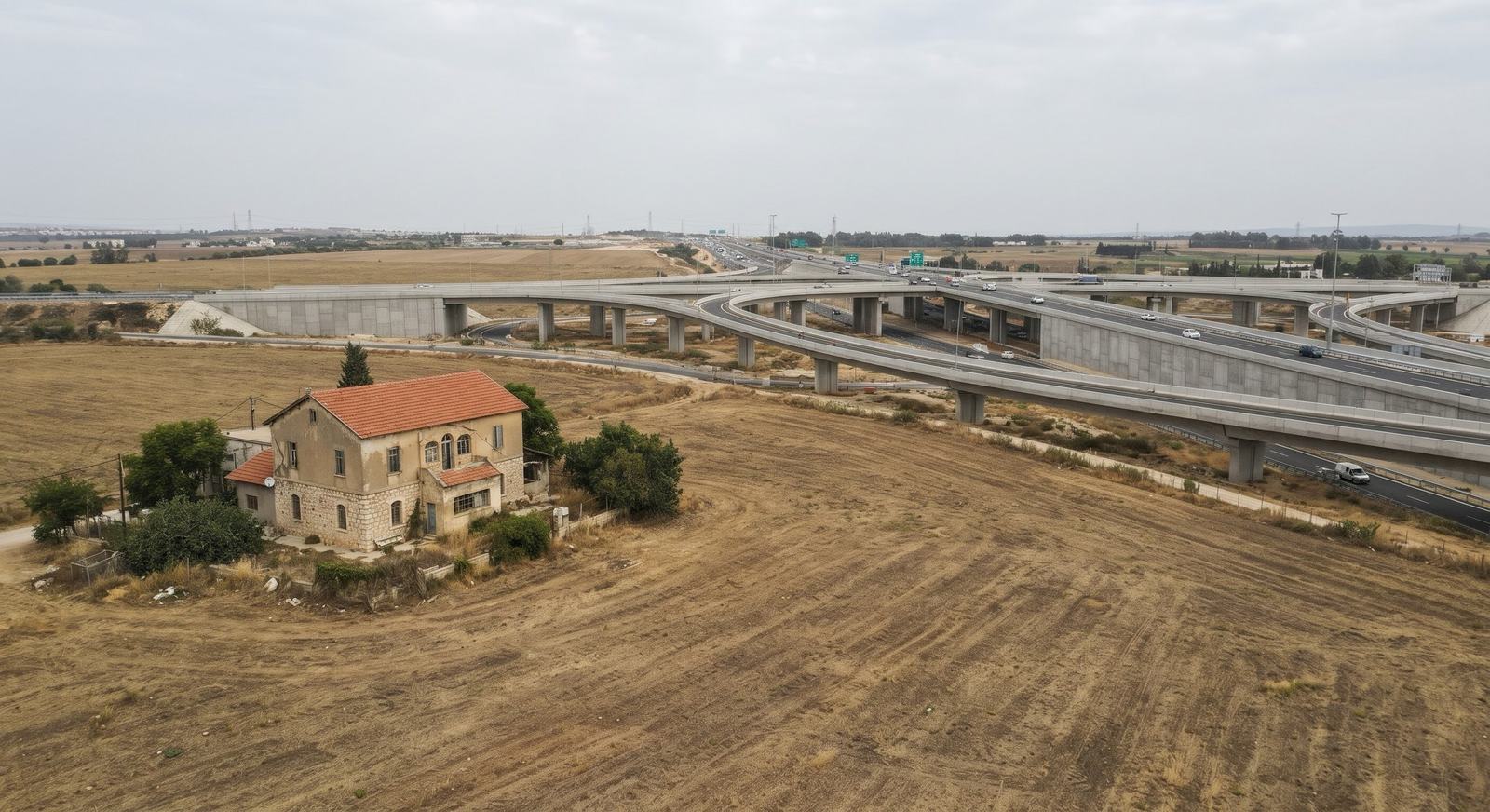
Harm from a neighborA noisy road, a tower that blocks the view, an engineering facility on the adjoining parcel. Here the land is not in the plan at all, but borders it.
Reduction of rightsA plan that reduces building rights or adds restrictions. Here Section 200 needs to be checked, which allows the committee not to pay for certain types of harm that do not exceed what is reasonable.
When to file
The claim is filed with the local committee up to 3 years from the day the plan's approval was published in Reshumot. Some appeals committees have allowed 15 additional days, but it is not wise to rely on that. Anyone who missed the deadline can ask the Minister of the Interior for an extension through the gov.il website, and the Minister may grant it for special reasons. The considerations are set out in Director General's Circular 1/2001, and the Supreme Court has stressed that an extension is an exception and that the Minister should use this power sparingly.
A special case is the metro plans in Gush Dan. Under the Metro Law, claims under Section 197 that arise from the metro plans are filed with the Compensation Committee for the Metro Project, and not with the local committee.
Compensation under Section 197 versus expropriation compensation
When a plan changes the designation of land to public needs, and the land is later expropriated, there are two separate causes of action. The Supreme Court has described a staged route: first you claim from the local committee under Section 197 for the decline in value caused by the change of designation, and after the expropriation is carried out you claim expropriation compensation in the District Court. Anyone who did not claim under Section 197 in time may lose part of the compensation. On the rates of expropriation without consideration: Expropriation for public purposes.
What this means for holders of agricultural land
The compensation measures harm to value. The Supreme Court considered whether to take into account landowners' expectation of a future change of land designation, and distinguished between a reasonable expectation, which rests on planning actions and facts, and an unfounded expectation, which amounts to a speculative price. Only the former can enter the calculation. That is why anyone holding agricultural land keeps a record of the planning steps that preceded the harmful plan.
Checklist: filing a claim under Section 197
- 1Identify the plan and the day of publication in Reshumot
The three years are counted from it.
- 2Hire a real-estate appraiser
To estimate the value just before the plan and just after it.
- 3File with the local committee
With the appraisal and the documents on the right in the land.
- 4If rejected: an appeal
To the Appeals Committee for Compensation and Betterment Levy, which can appoint an advisory appraiser. And from there to the Administrative Affairs Court.
- 5Late? A request for an extension
From the Minister of the Interior, with special reasons.
FAQ
Who pays the compensation?
The local committee, even when the plan was initiated at the national or district level and applies within its area. For the metro plans, the claim is filed with a special compensation committee for the metro project.
I bought land after the plan was approved. Am I entitled to compensation?
Usually not. The person entitled is whoever held the right on the day the plan commenced, and the price you paid should already reflect the harm. Check with a lawyer whether the right to claim was transferred in the contract.
Can you claim both expropriation compensation and Section 197?
These are two separate causes of action. The Supreme Court has described a route in which you first claim under Section 197 for the decline in value from the plan, and after the expropriation you claim expropriation compensation. You do not receive double compensation for the same damage.
Summary
A plan that lowers the value of land entitles whoever held the right on the day it commenced to compensation under Section 197. The claim is filed within three years of publication in Reshumot, with an appraisal. The information in this article is general and is not legal advice.
Further reading and tools on the site
Articles
Tools and pages
Sources
- 01gov.il: request to extend the deadline for filing a compensation claim under Section 197(b)
- 02Ministry of the Interior: Director General's Circular 1/2001, considerations in extending deadlines under Section 197(b) (PDF)
- 03Supreme Court: HCJ 2271/17, extension of the deadline for a claim under Section 197
- 04Supreme Court: CA 6407/14, compensation under Section 197 and expropriation compensation
- 05Supreme Court: LAA 10212/16, expectation of a change of designation in a claim under Section 197 (PDF)
- 06Tel Aviv-Yafo Municipality: compensation for decline in value, Section 197